
Check PayPal availability before making a casino payment
PayPal access can depend on checkout availability, account checks, deposit and withdrawal conditions, and bonus terms—not just the payment method.
How PayPal Fits into Australia’s Wider Payment Habits
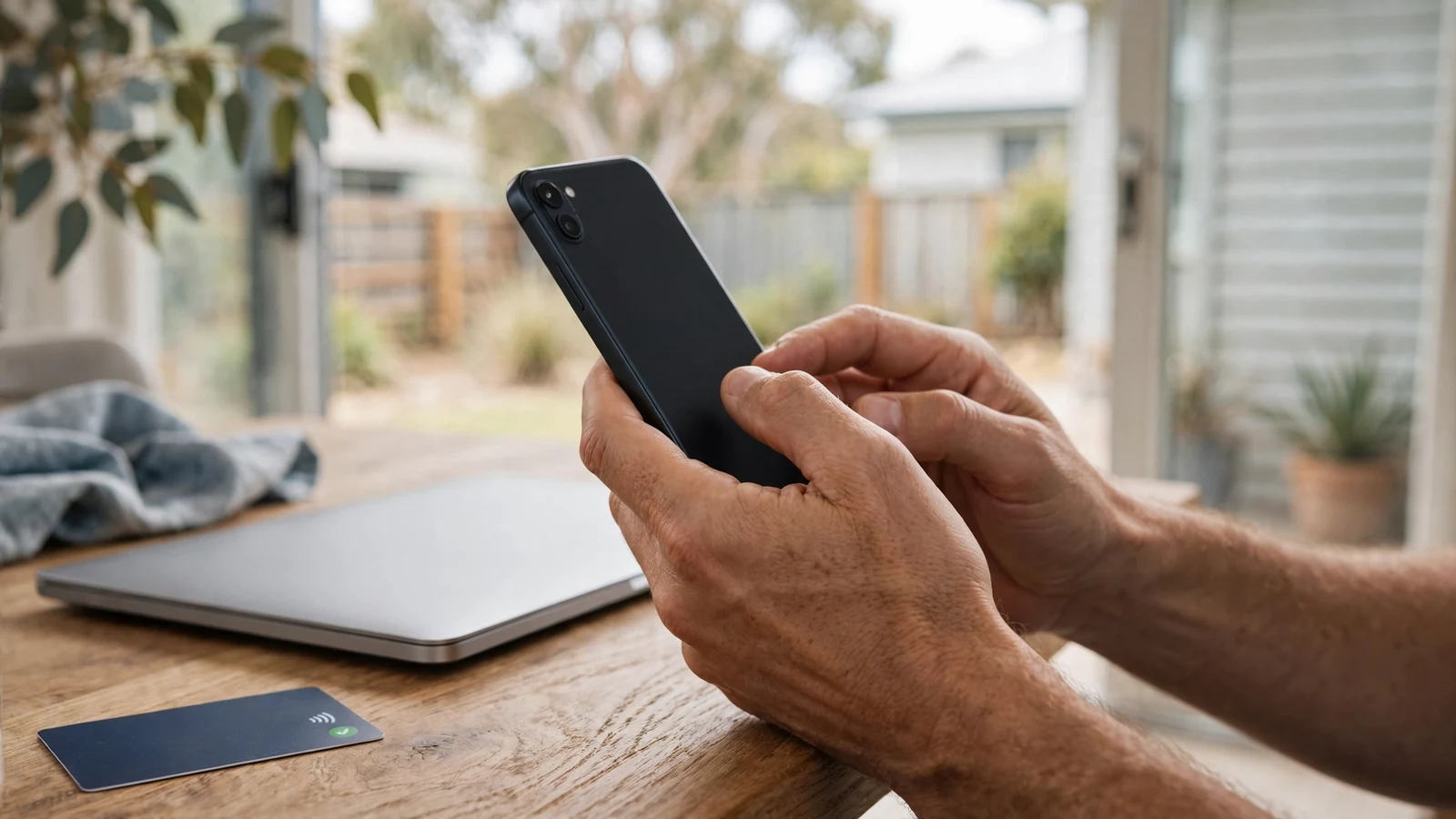
Australians are accustomed to choosing between several familiar ways to pay. Contactless credit and debit cards are accepted almost everywhere, while mobile wallets such as Google Pay and Apple Pay are also widely accepted. Alongside them are services linked to bank accounts, including PayPal. Moving between these options is an ordinary part of making payments.
That familiarity helps explain why PayPal comes to mind when people consider online payments. It sits within a broader mix rather than replacing cards or mobile wallets. Which option feels simplest can depend on the payment setting and what a person already uses; there is no single preference that applies to everyone.
For anyone searching for an Australian casino that accepts PayPal, it is useful to separate general payment habits from a particular operator’s arrangements. Australians’ comfort with PayPal says something about the service’s place in everyday payment choices. It does not establish that a casino offers it, or that the option is available to every customer. Familiarity is not confirmation.
Top operators
When looking for an Australian casino that accepts PayPal in 2026, check the payment options and terms before you deposit. This reference highlights the licensing and payment details available for each listed operator.
-
Thor Casino
- License
- Curacao – Antillephone N.V. (Versus Odds B.V.)
- Min. deposit
- EUR 20
Thor Casino is listed with a Curaçao licence from Antillephone N.V. (Versus Odds B.V.). Its stated minimum deposit is EUR 20.
-
Lucky Dreams
- License
- Curacao
- Min. deposit
- A$20 (POLi)
Lucky Dreams has a Curaçao licence and lists a minimum deposit of A$20 when using POLi.
-
DragonSlots Casino
- License
- Curacao Gaming Authority (Jumpman Gaming Ltd)
DragonSlots Casino is listed under the Curaçao Gaming Authority, with Jumpman Gaming Ltd as operator.
-
Neospin
- License
- Curacao Gaming Control Board OGL/2023/176/0095 (Hollycorn N.V.)
Neospin is listed with Curaçao Gaming Control Board licence OGL/2023/176/0095, held by Hollycorn N.V.
-
Playfina Casino
- License
- Curacao eGaming (Hollycorn N.V., since 2017)
- Min. deposit
- A$20-30 (depends on the offer)
Playfina Casino is listed with a Curaçao eGaming licence and has been operated by Hollycorn N.V. since 2017. Its minimum deposit is A$20–30, depending on the offer.
-
7Bit Casino
- License
- Curacao, operated by Dama N.V.
7Bit Casino is listed as a Curaçao-licensed casino operated by Dama N.V.
-
House of Pokies
- License
- international iGaming licence – jurisdiction not named in the source
- Payout speed
- PayID 1-24 hours
- Min. deposit
- A$30 (PayID from A$10)
House of Pokies has an international iGaming licence, though the jurisdiction is not named in the source. Its listed PayID payout speed is 1–24 hours, and the minimum deposit is A$30, or A$10 with PayID.
-
JustCasino
- License
- Curacao Gaming Control Board
JustCasino is listed with a Curaçao Gaming Control Board licence.
-
SpinsUp
- License
- Curacao Gaming Control Board OGL/2023/174/0082 (Dama N.V.)
SpinsUp is listed with Curaçao Gaming Control Board licence OGL/2023/174/0082, held by Dama N.V.
-
Golden Pokies
- License
- Curacao
Golden Pokies is listed with a Curaçao licence.
The same distinction applies to cards and phone-based wallets. Their broad acceptance in Australia’s wider payment environment does not, by itself, tell you what an online service supports. A payment method can be familiar to consumers without being offered in every setting where they might want to use it.
A practical way to think about PayPal is as one option in a flexible payment routine. You may use a card for one transaction, a mobile wallet for another, and a bank-linked service elsewhere. That flexibility is part of the local context behind interest in a PayPal casino in Australia, but it cannot answer the operator-specific question. Habit and availability are separate things.
The Legal Limits Around Offshore Online Casinos
PayPal availability does not determine whether an online casino may lawfully serve people in Australia. The relevant question is the service being offered and where you are physically located when using it. Under the Interactive Gambling Act 2001, operators cannot provide real-money online casino games to people in Australia. That prohibition covers casino-style services such as poker, blackjack, roulette and pokies.
The law is directed at providers, not at making an individual player’s use of an offshore site a criminal offence. That distinction matters, but it is not a consumer guarantee. If an offshore operator accepts Australian customers, that does not make its service locally authorised or give you the protections that would apply to a service regulated under Australian law.
ACMA’s role
The Australian Communications and Media Authority (ACMA) enforces the Interactive Gambling Act. Its remit includes action against prohibited interactive gambling services, and access to offshore casino services may be blocked in Australia. A website appearing online, or a payment option appearing on a page, is not proof that the service is lawful or reliably accessible to Australian residents.
 Payments & Crypto for Australian Online CasinosExplore Australian casino payment searches, spanning bank and card options, e-wallets and cryptocurrencies, as well as crypto casino topics.
 Casino Sites That Accept EcoPayz in AustraliaLearn why card acceptance, including Amex, does not verify EcoPayz support, and what operator-level cashier details can establish.
The Act also sets substantial penalties for providers that breach it: the maximum daily penalty is $360,000 for an individual and $1.8 million for a corporation. These penalties concern those responsible for providing the prohibited service, not a customer simply using an offshore site. The legal distinction is clear. The practical risk to the customer is different: an offshore operator may be outside the Australian system that can address a dispute.
What Australian consumer protection does not cover
Australian consumer law does not protect players who use offshore casinos. If a dispute arises over an account, funds or the operator’s conduct, you cannot assume that Australian consumer remedies or complaint processes will apply. An overseas company’s terms, location and willingness to respond may determine what options are available, and pursuing a matter across borders can be difficult.
A casino that takes PayPal is still an offshore gambling service if it is operated outside Australia and offers prohibited games to people here. The payment brand does not create a local licence, remove the statutory restriction on providers, or supply consumer-law protection. A familiar checkout can make a transaction feel ordinary. It does not alter the legal position.
For that reason, a page describing casinos that accept PayPal in Australia should not be read as an endorsement or as evidence that those services may lawfully operate here. The relevant boundary is not which payment method is displayed; it is the prohibition on operators providing real-money online casino games to people physically in Australia. A payment route cannot change that.
Checking Whether PayPal Is Available at Checkout
A PayPal logo on a homepage is not proof that the method is available to an Australian visitor. Payment options can depend on the service, the account and the point in the process where the cashier is displayed. A general claim such as “PayPal accepted” does not establish that it applies to your circumstances.
There is also a more important limit than the contents of a cashier: Australian law prohibits operators from providing real-money online casino games to people in Australia. Offshore services may be blocked, and Australian consumer law does not protect people who use offshore casinos. A payment method appearing on a screen does not change either point.
What a cashier display can—and cannot—tell you
A cashier is the operator’s own place for showing payment methods. If you are assessing a claim without proceeding with a payment, check whether PayPal is explicitly shown there, rather than relying on a logo, an old review or a generic payment page. A method described elsewhere may not be presented in the cashier at all.
Read the wording around the method carefully. A payment logo might indicate only that the operator mentions PayPal, not that it is available to every visitor or for every account. Look for whether the cashier identifies the method as available in your location and whether any message qualifies that availability. If the display is unclear, treat the claim as unconfirmed; do not infer acceptance from a branding image.
A page may also be out of date. Payment arrangements can change, and a third-party description may not match the operator’s current cashier. The operator’s own current information is more relevant to what its interface displays, but it is not a guarantee that a transaction will be permitted or that the service can lawfully be offered in Australia.
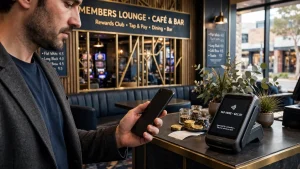
Check the whole route, not just a logo
If you are reviewing a cashier for information, note where PayPal appears and what the surrounding text says. Is it listed as a current method, or mentioned only in general terms? Does the page identify an Australian option, or does it leave the relevant location unspecified? Is there a notice that says access is unavailable or subject to further checks? These distinctions matter more than a broad claim on a promotional page.
The display may also differ between a general payment-information page and the cashier itself. A method listed in an article or help page may not appear in the cashier shown to a particular visitor. Conversely, a visible option does not establish that it can be used to complete a transaction. Availability on screen and permission to proceed are different questions.
Do not treat a sign-in prompt or an invitation to create an account as a reason to continue. Operators must check users against the BetStop registry before allowing account creation or marketing communications. More broadly, a payment screen is not a substitute for understanding the legal restrictions that apply to online casino services in Australia.
How to judge a claim without relying on it
For a claim about an Australian online casino accepting PayPal, separate three things: what a page advertises, what the cashier currently displays, and what the law permits. A claim is weak if it relies on a logo alone, does not specify the relevant location, or cannot be checked against current operator information. Even a clear cashier display answers only the narrow question of what the interface shows; it does not establish that using the service is lawful or protected.
Do
- Check for PayPal explicitly in the cashier
- Read method-specific availability wording
- Use current operator information
Don't
- Rely on a homepage logo alone
- Infer acceptance from old reviews
- Assume branding equals availability
Be cautious with statements that describe a service as “Australian” simply because it is accessible to someone in Australia. That label does not by itself establish local authorisation, consumer protection or a right to use the service. Nor does a payment option make an offshore casino an Australian-regulated business.
If your purpose is to confirm whether PayPal is displayed, the relevant evidence is a clear, current cashier notice—not a search result or a recycled list. But verification should not be mistaken for endorsement. An option can be visible and still be unsuitable or unavailable in practice.
The distinction is plain: a logo is a claim; a cashier is a display; neither overrides Australian law.
PayPal Deposits: Amounts, Fees and Account Checks
If a cashier offers PayPal for a deposit, the amount you can send is governed by the terms displayed by that service, not by the phrase “PayPal deposit” alone. Check the cashier’s stated minimum and maximum before entering a figure. These limits can be specific to the account, payment method or transaction, so an amount accepted in one place should not be treated as a general rule elsewhere.
That matters if you are looking to make a small deposit, such as $10. Do not assume that a cashier will accept that amount simply because the figure is available in your PayPal balance or can be entered in a payment field. Read the minimum shown for the selected method, and check whether the amount is expressed in Australian dollars. If the cashier displays another currency, the figure you enter may not match the amount ultimately charged in AUD.
 Casinos That Accept POLi in Australia: What to CheckLearn why a POLi mention is not proof of availability, and how to distinguish a general payment page from options shown in…
 Casinos That Accept Litecoin in Australia: What’s VerifiedLearn how to assess Litecoin casino claims in Australia, including payments, withdrawals and legal context; the article does not verify specific sites…
Check the amount before authorising
A deposit screen can present a suggested amount, a field for entering a different amount, or both. Treat any suggestion as a prompt rather than proof that the amount meets the cashier’s conditions. Before approving a payment, compare the entered amount with the terms displayed for PayPal and make sure the currency is clear.
If the cashier shows a minimum but does not make clear whether it applies to PayPal, do not infer that it does. Look for method-specific terms or ask the operator for clarification before proceeding. The same applies to a maximum: a limit shown for another payment option may not apply to PayPal. A tidy comparison starts with the right criterion—what this cashier permits for this method and this account.
Check whether the amount on the final confirmation screen matches the amount you intended to send. If the figures or currency differ, pause rather than approving the transaction and hoping the discrepancy resolves itself. That is a poor use of optimism.
Fees and currency
Do not assume that a PayPal deposit is fee-free. The cashier’s terms should state whether it adds a charge, while PayPal’s own payment details may show information relevant to the transaction. Review both before authorising anything. If either service presents a fee, exchange-rate information or a different total, account for it before deciding whether to continue.
Currency deserves its own check. A displayed deposit amount may be denominated in AUD or another currency, and the distinction affects what you are agreeing to pay. Read the currency beside the amount, not just the digits. If the cashier and PayPal show different totals, do not treat the difference as a harmless display variation; establish what the final charge will be first.
Keep the confirmation details for your own records after a transaction, including the amount and currency shown. This gives you something concrete to compare with the payment record if a question arises. It does not change the cashier’s terms, but it avoids relying on memory.
Account checks before a transaction
A payment method being shown in a cashier does not necessarily mean an account is ready to make a financial transaction. Online casinos commonly ask customers to complete a Know Your Customer (KYC) assessment before allowing financial activity. The operator may require identity or account details to be checked, so review its instructions and resolve any outstanding request before attempting a deposit.
Use the details associated with your own account and follow the operator’s stated verification process. If the cashier indicates that a check is pending or that information is incomplete, do not assume that repeating the payment will resolve it. A declined or interrupted transaction is a reason to check the account status and the instructions provided, not to keep submitting attempts without understanding the issue.
 Casinos That Accept PayID in Australia: What to CheckLearn how to assess payment claims and deposits; ACMA enforces rules against operators providing prohibited online casino services in Australia.
 Casinos That Accept MiFinity in Australia: Key ChecksLearn how to assess MiFinity acceptance claims, distinguish deposits from withdrawals, and understand the Interactive Gambling Act 2001 restriction.
Read the privacy and account terms before supplying documents or personal information. Make sure you understand which entity is requesting the information and how its stated process applies to your account. For Australian residents using offshore casinos, Australian consumer law does not protect players in the same way it protects customers dealing with Australian businesses. That limitation matters when you are deciding whether to share information or send money.
A practical pre-deposit check
Before approving a PayPal payment, verify the cashier’s method-specific minimum and maximum, the currency, any stated fee, the final amount, and whether your account has completed the required checks. These are separate points: a payment can meet the amount requirement and still be affected by a currency difference, fee or unresolved account review. Confirm each one from the terms and screens that apply to your own transaction.
If a detail is missing or unclear, wait until you can get a direct answer from the operator. Do not rely on an old description or assume that a deposit amount mentioned elsewhere applies to the cashier in front of you. The operative terms are the ones presented for the account and transaction you are considering.
Comparing Payment Options Without a Ranking
A useful comparison starts with what matters to you, not with a claim that one payment method or casino is “best”. The answer can change depending on whether you value familiarity, a direct link to your bank, or the ability to use the same wallet across different services. Those preferences describe everyday payment habits; they do not establish that a particular method is available or lawful for online casino gambling.
Familiarity
Whether you already use the service and understand its connection to your bank or card.
Practical Access
Whether the method is actually available for your specific transaction, not just common in retail.
Clarity
Whether you can clearly see which service is involved and what information is required.
Consistency
Whether the service's stated role matches your needs, such as distinguishing between paying and receiving money.
In Australia, contactless card payments and mobile wallets such as Google Pay and Apple Pay are widely used in everyday purchases. People are also comfortable moving between cards, mobile wallets and bank-linked services such as PayPal. That familiarity can make a method seem like an obvious choice, but retail acceptance does not tell you what an online service supports. Nor does a familiar brand make a gambling transaction permissible.
Compare the method, not a promise
If you are assessing payment options generally, use the same criteria for each:
- Familiarity: Do you already use the service, and do you understand how it connects to your bank or card?
- Practical access: Is the method available to you for the transaction you are considering, rather than merely common in shops?
- Clarity: Can you see which payment service is involved and what information you would be asked to provide?
- Consistency: Does the service’s stated role match what you need? A way to pay is not automatically a way to receive money.
- Personal fit: Would you rather use a bank-linked service, a mobile wallet, or a card for lawful purchases?
These criteria help separate preference from evidence. A payment option may feel convenient because you use it elsewhere, while another may suit you better because its function is clearer. There is no universal winner.
The distinction matters particularly for PayPal. Its familiarity among Australian consumers does not mean that it is available for every online transaction, or that it can be used for a prohibited gambling service. The same applies to Google Pay, Apple Pay and cards. Broad acceptance in ordinary commerce cannot be carried over as a claim about casino cashiers.
Treat availability as a separate question
A comparison should not turn a list of well-known payment brands into a list of supposedly usable casino options. For Australian residents, real-money online casino services are prohibited under the Interactive Gambling Act 2001. Do not use payment comparisons as a way to locate or access offshore casino services. Australian consumer law does not protect players who use offshore casinos.
That legal context also changes what “best” can responsibly mean here. It cannot mean a recommended casino, a reliable route to gambling, or a promise that a named payment method will work. At most, you can compare the general characteristics of payment methods for lawful transactions and recognise that their availability depends on the specific service and purpose.

Keep the categories distinct. A card or mobile wallet may be common for everyday purchases; a bank-linked service may be familiar from other online payments. Neither fact proves that it can be used for gambling. And a method’s name alone says nothing about the service behind the transaction. A tidy comparison cannot make an unlawful service lawful.
Choose by criterion, not by label
If your priority is familiarity, compare how comfortable you are with each method in ordinary use. If your priority is a clear payment route, focus on whether the service explains who processes the transaction and what the method is for. If you are weighing PayPal against mobile wallets or cards, compare those practical characteristics—not unverified claims about casino acceptance or speed.
This approach avoids a misleading ranking. “Best” only has meaning when the criterion is explicit, and the winner depends on what you need for lawful payments. For online casino gambling in Australia, payment convenience is not a reason to proceed. Familiarity is not permission.
PayPal, Casino Games and What the Payment Method Does Not Tell You
PayPal and a game catalogue answer different questions. PayPal is a payment service; it does not identify what an online service offers, where that service is legally able to operate, or whether a particular game is available to you. Seeing a payment option mentioned alongside casino games is not evidence that the two are connected at a specific service.
That distinction matters when you encounter phrases such as “casino games with PayPal”. They can describe a topic, not a verified arrangement. A page may discuss PayPal payments and casino-style games in the same place without establishing that PayPal can be used for those games or that the games are available to Australian residents. Treat the payment method and the content as separate claims, each requiring its own evidence.
The same applies in reverse. A service’s stated game selection does not tell you which payment options it supports. Payment branding cannot confirm that a game is offered, and a game title or category cannot confirm that PayPal is accepted. Neither tells you whether a transaction would be permitted by the relevant parties.
For a useful comparison, keep the questions in separate columns:
| Question | What it concerns |
|---|---|
| Is PayPal mentioned? | A payment claim |
| What content is described? | A catalogue claim |
| Is the service lawful for Australian residents? | A legal question |
A neat table does not make an unlawful offer lawful. The Interactive Gambling Act 2001 prohibits operators from providing real-money online casino games to people in Australia. Australian consumer law does not protect players who use offshore casinos. Those points matter more than whether a payment logo appears beside a description of games.
So, do not infer “PayPal casino games” from a general reference to either PayPal or casino-style content. A payment method is not a catalogue, and a catalogue is not proof of a usable payment route. Keep the claims distinct. That is the whole distinction.
Withdrawal Timing and the Limits of PayPal Claims
An “instant PayPal withdrawal” claim needs careful reading. It may describe only how quickly a request is submitted or marked as processed, not when money is available in a PayPal balance. Those are different points in a transaction, and a headline that treats them as one is not a useful timing commitment.
For any service making a withdrawal claim, look for the exact event the stated timing refers to. Does the clock start when you submit a request, when the operator approves it, or when a payment is sent? Does “instant” refer to an on-screen status change or to funds being received? If the terms do not define the start and end points, the claim cannot tell you when the money will be accessible.
The same distinction applies to a PayPal casino withdrawal claim. It does not establish that PayPal is available for withdrawals, even if PayPal appears among other payment options. Nor does it establish that the payment route will be offered to an Australian resident or used for a particular account. Treat the claim as unconfirmed until the relevant cashier and withdrawal terms expressly identify the method and explain its conditions. Do not infer withdrawal support from a deposit option.
Separate each stage
A timing statement is more informative when it separates the stages of a request. Check whether the published terms explain:
- when a withdrawal request can be made and whether account checks must be completed first;
- whether the operator reviews or approves the request before sending payment;
- which payment method is used after approval, and whether PayPal is specifically named;
- what “processed” means in the operator’s wording; and
- whether the stated timing covers receipt of funds or only the operator’s handling of the request.
These are questions to resolve from the service’s own terms, not assumptions to fill in from a general claim about PayPal. If one stage has no stated timing, a claim about another stage cannot supply it. A fast approval, for instance, would not by itself establish when funds arrive.
Read “instant” as a claim to test
“Instant” is an imprecise word unless the terms define it. It might describe the operator’s handling of a request, while leaving later processing outside the promise. It may also depend on verification or other conditions set out elsewhere. Check the wording around the claim, not just the label beside a payment method.
Be wary of language that makes a withdrawal sound guaranteed or immediate without stating what is being measured. A payment method’s name does not guarantee that a transaction will be accepted, approved or completed on a particular schedule. The cashier’s current instructions and the applicable terms are the relevant details; a general promotional statement cannot replace them.
There is also a material Australian context: Australian consumer law does not protect players who use offshore casinos. The Interactive Gambling Act 2001 prohibits operators from providing real-money online casino games to people in Australia, and the Australian Communications and Media Authority enforces that law. A timing claim does not alter those legal limits or provide consumer protection.
A careful assessment therefore separates three questions: whether a withdrawal method is available, what event the timing claim covers, and what conditions could affect the request. If the terms do not answer those points clearly, “instant” is not a dependable description of when funds would be received. That distinction matters.
PayPal Withdrawals: Check the Cashier’s Conditions
A PayPal logo or option in a cashier does not establish that an online casino will send winnings back through PayPal. Deposit and withdrawal routes can be treated separately. If you are assessing a payment policy, look for an explicit statement about withdrawals to PayPal, rather than inferring permission from a deposit option.
Check the wording against these points:
| What to verify | Why it matters |
|---|---|
| Whether PayPal is named as an available withdrawal method | A method shown for deposits may not be offered for payouts. |
| Whether the account holder must use the same method for deposits and withdrawals | The cashier’s rules determine whether a payment route is required or merely permitted. |
| Whether another withdrawal route is specified when PayPal is unavailable | The policy should explain what happens instead, rather than leaving the process unclear. |
| Whether identity or account checks must be completed first | Online casinos commonly require customer checks before financial transactions. |
| Whether any fees or other conditions apply | Read the withdrawal terms and cashier information together; do not assume that a listed method is cost-free. |
Treat the cashier and the written terms as separate checks. The cashier shows the options presented to an account; the terms explain any qualifications attached to them. If they conflict, or the policy does not clearly say whether PayPal withdrawals are permitted, the claim is not confirmed. A support response may clarify the operator’s stated process, but it does not replace written terms or change the law.
There is also a more basic limit for Australian readers. The Interactive Gambling Act 2001 prohibits operators from providing real-money online casino games to people in Australia, and the Australian Communications and Media Authority enforces that law. Australian consumer law does not protect players who use offshore casinos. A detailed cashier policy does not resolve either issue.
So, “PayPal withdrawal” should be read as a specific claim about an outbound payment route, not as a guarantee that a cashier supports it or that a player can rely on it. The deciding criterion is explicit, consistent withdrawal wording—not a logo, a deposit option or a broad payment-method label. No inference needed.
- Confirm PayPal is explicitly named as a withdrawal method
- Check if the same method must be used for deposits and payouts
- Identify alternative routes if PayPal is unavailable
- Verify that all identity and account KYC checks are complete
- Review withdrawal terms for any associated fees
Paying with PayPal: Confirm the Transaction Before You Proceed
A PayPal logo on a page, a reference in an old review or a payment option shown before registration does not confirm that you can use it for a particular transaction. Availability can depend on the cashier presented to you, so treat the displayed options—not a general claim about a PayPal casino payment method—as the relevant information.
Before submitting anything, check that PayPal is actually listed in the cashier and selected for the transaction. Read the on-screen summary carefully: confirm the amount and currency, the account or payment details shown, and any stated charges or conditions. If the final screen differs from what you expected, stop rather than assuming the payment will be handled as intended.
Do not enter PayPal credentials through a link or page you have not verified as part of the service’s payment flow. If the cashier redirects you, check that the destination is recognisable and that you understand what authorisation you are being asked to give. An unclear prompt is a reason to pause, not a reason to click through.
Keep a record of the confirmation displayed after an attempt, including any reference provided. If the transaction appears pending, declined or otherwise unclear, avoid repeatedly submitting it; check the cashier’s status and contact the service through its stated support channel. Repeated attempts can make it harder to identify which request was processed.
Most importantly, confirming a payment method does not establish that using the service is safe or that you have recourse if something goes wrong. Australian consumer law does not protect players who use offshore casinos. The Interactive Gambling Act 2001 prohibits operators from providing real-money online casino games to people in Australia. A payment option cannot change that position. Proceed with care—or do not proceed.

Bonus Terms Are Separate from the Payment Method
Seeing PayPal listed as a payment option does not establish that a bonus is available, or that a PayPal-funded account qualifies for one. Payment acceptance and promotional eligibility are separate conditions. A casino bonus linked to PayPal, if mentioned by an offshore operator, must be assessed against that operator’s own current terms—not inferred from the cashier.
Read the promotion rules before relying on any offer. Check which deposits qualify, whether a particular payment method is excluded, and whether the offer must be claimed in a specific way. Also look for conditions on eligible customers, account status and withdrawals. A headline can describe an offer broadly while its detailed terms narrow who can use it. Fine print is doing its usual job.
Do not assume that a bonus applies simply because PayPal appears in the cashier, or that choosing PayPal changes the rules. If the terms are unclear, treat eligibility as unconfirmed rather than making a payment on the strength of an assumption. The useful comparison is straightforward: payment method tells you how a transaction may be made; promotion terms determine whether an offer applies.
There is also a more important Australian context. The Interactive Gambling Act 2001 prohibits operators from providing real-money online casino services to people in Australia, and Australian consumer law does not protect players using offshore casinos. A promotion does not change that position. For a clear decision, separate the payment details from the offer’s conditions—and do not treat either as evidence that an offshore casino is lawful or protected for Australian customers.
How do you check if casino sites accept Amex deposits?
Check the casino’s cashier for American Express and confirm it is available before entering your card details and the deposit amount in AUD.
Why does my Amex deposit get declined at some casinos but not others?
Amex may block payments to particular websites, and Australian banks may also block gambling-related Amex transactions. Some casinos do not accept American Express.
Are there any fees for depositing with American Express?
Amex deposits typically have no fee, but a casino may add a 1.5% surcharge, and a 3% currency conversion fee may apply. Withdrawal fees may also apply.
Can I withdraw winnings directly to my American Express card?
Some casinos allow Amex withdrawals, but not all do, and you generally need to have deposited with Amex first. A withdrawal fee may apply, and withdrawals can take up to five days to clear.
Which online casinos accept American Express for deposits?
Jackpot City Casino, Spin Palace, Ruby Fortune, Ignition Casino, Joe Fortune and PlayAmo are listed as supporting Amex deposits for Australian players.